
Patient Care Goals
Identify patients who are in opioid withdrawal, help reduce their symptoms, and to refer patients to treatment options. Patients who successfully enroll in EPICC or other treatment programs are much more successful at quitting opioids.
| Assessment | ||
| Pediatric Pearls: | Signs & Symptoms: | Differential: |
| N/A | □ Nausea and vomiting □ Sweating □ Frequent Yawning □ Agitation □ Goosebumps □ Dilated pupils □ Tachycardia □ Restlessness | □ Opioid withdrawal □ Infection □ Sepsis □ Benzodiazepine withdrawal |
Clinical Management Options
| EMT-B |
| • Place in position of comfort • Keep the patient NPO • Oxygen target SpO2 92% – 96% • Have the patients sniff alcohol swabs as needed for nausea • Refer to EPICC by calling 314-819-4275 |
| Paramedic |
| • IV / IO access as appropriate for patient condition • Obtain and document a COWs score • Offer Zofran if nauseated • Offer Buprenorphine (suboxone) if the COWS score is equal to or greater than 7 Methadone within the last 48 hours is an exclusion criteria • After 10 minutes, consider repeat ½ dose of Buprenorphine if the patient’s COWS score is still higher than 7 |
Rules
- Please call EPICC on all patients who use opioids regularly and are interested in getting help. The program offers medication assisted treatment and a peer counselor. They have had great success in helping patients defeat their addiction.
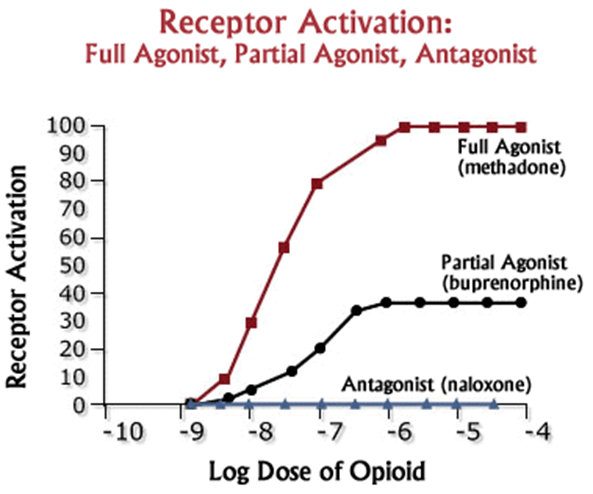
- Do not give buprenorphine (suboxone) to any patient who has altered mental status OR has had methadone in the last 48 hours. Buprenorphine (suboxone) can cause severe, difficult to treat withdrawal in patients who are on suboxone.
- Please offer suboxone and EPICC referral to non-transported patients.
- Suboxone can trigger acute withdrawal in patients who have low COW scores.
- Do not give large dose Narcan in an effort to get the patient off opioids and onto subxone.

 CHEMS Field Treatment Guidelines